Should You Repair Or Replace A Failing Sewer Lateral?
A failing sewer lateral can create messy, expensive-looking problems fast, from sewage backups and foul odors to wet patches in the yard and damage around your property. This privately owned pipe carries wastewater from your home or commercial building to the public sewer main, so its condition matters more than a single clogged drain.
The right answer is not always repair or replacement. We look at the pipe's age, material, location, damage level, and history of backups before recommending a path forward. Fall is a smart time for Livermore property owners to investigate sewer concerns before winter rains and holiday guests put extra demand on plumbing systems.
How Sewer Camera Inspections Reveal the Real Problem
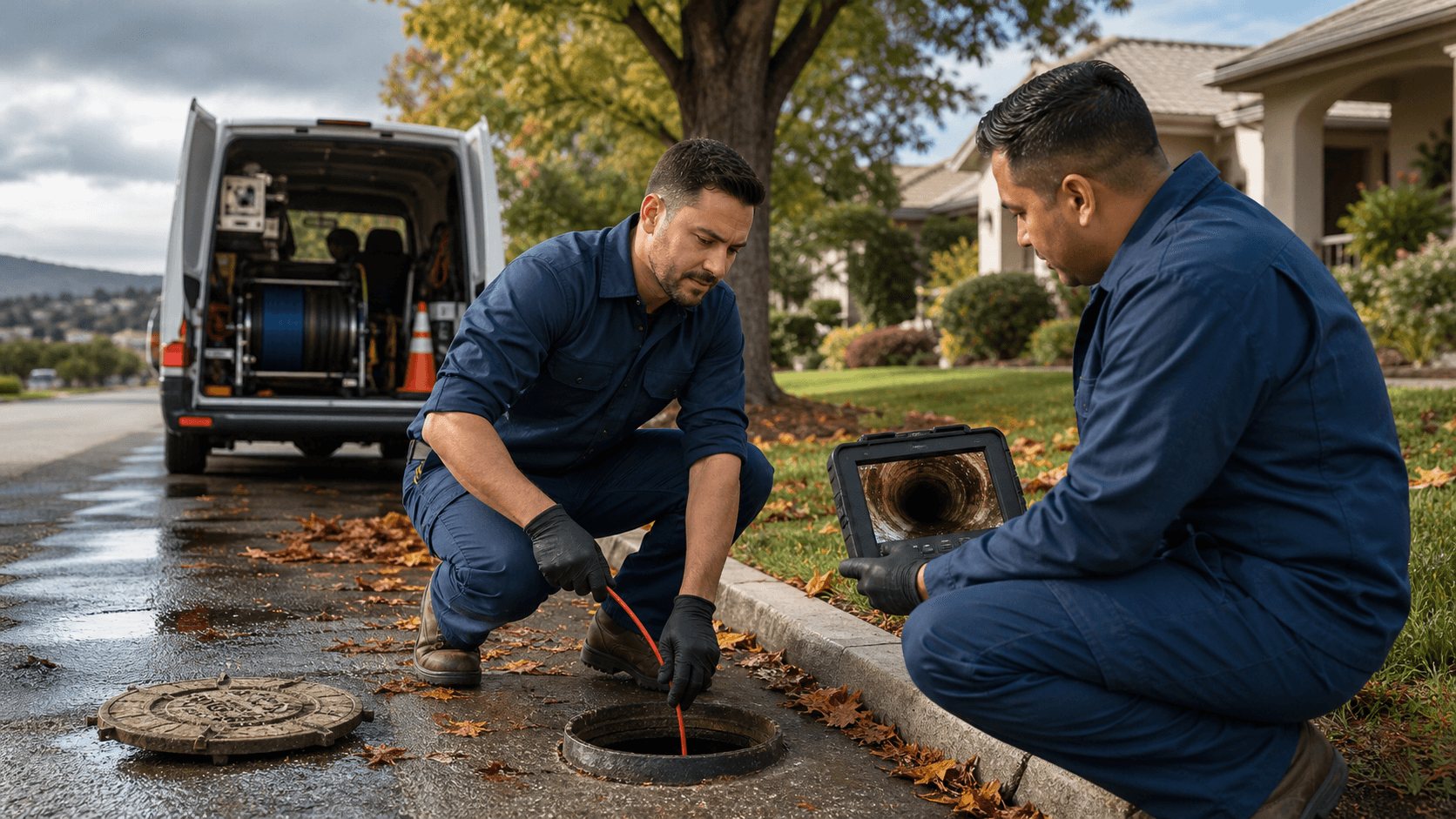
Before deciding on sewer lateral replacement, we recommend starting with a professional sewer camera inspection. Clearing a blockage may restore flow for the moment, but it does not always explain why the blockage happened. A camera lets us see inside the line and identify the actual condition of the pipe underground.
During an inspection, we may find issues such as:
- Tree root intrusion
- Cracks or separated pipe joints
- Offset sections where pipe pieces no longer line up
- Corrosion, grease buildup, or pipe collapse
- Low spots that hold water and waste
A single clog can sometimes be handled with professional drain cleaning, especially when the rest of the sewer line is in good shape. Recurring clogs, however, may point to a damaged lateral rather than a routine blockage. If several drains are slow, toilets gurgle, or backups keep returning, the problem may be farther down the line.
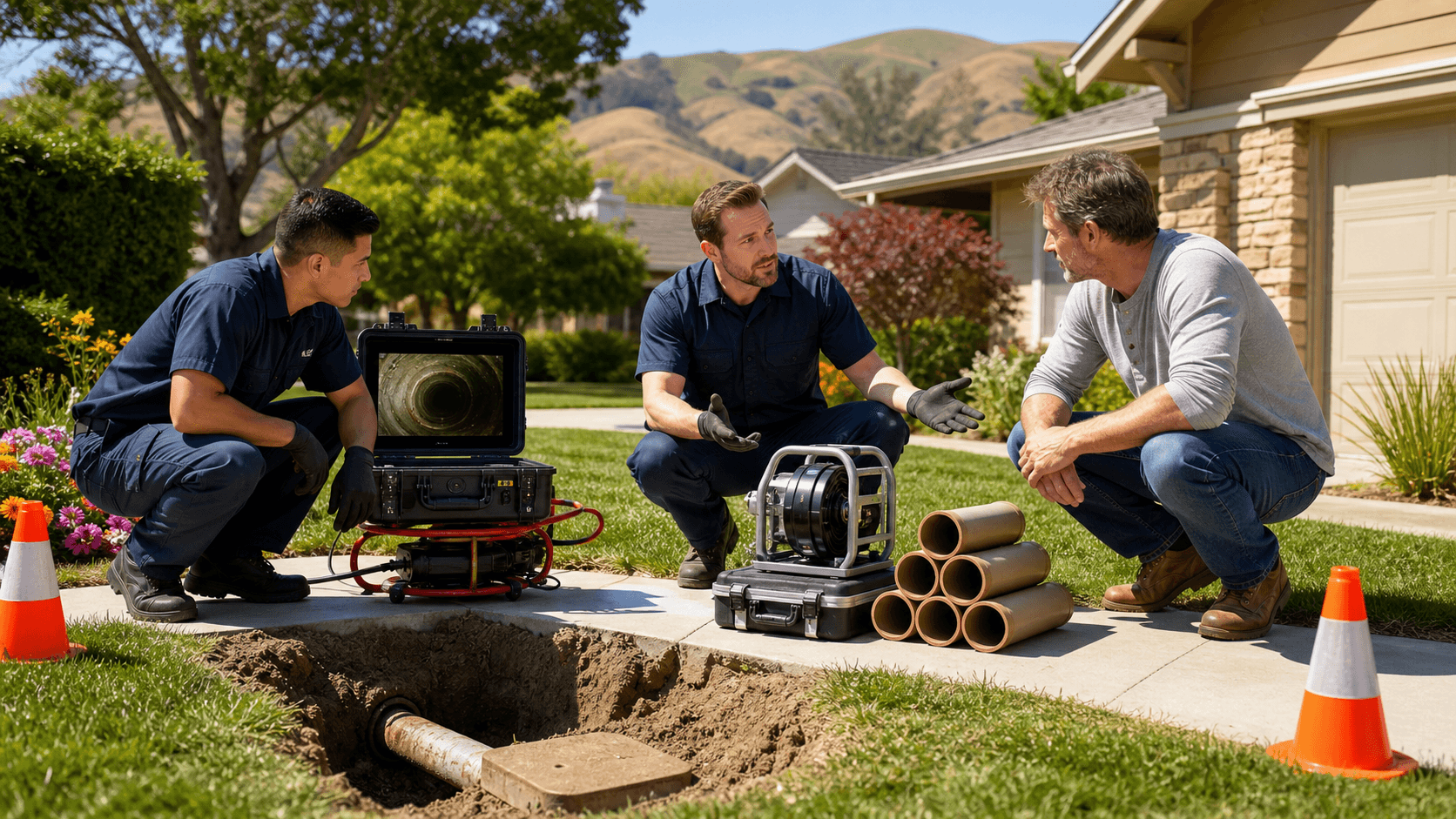
At The Otter Squad Plumbing & Drain Cleaning, we use inspection findings to show you where the concern is located and how serious it appears. That helps you understand whether a focused repair makes sense or whether the line has broader trouble.
When Targeted Sewer Repairs Can Be the Smarter Choice
A sewer repair may be the better choice when damage is limited to one short, reachable section of pipe. For example, a small crack, a separated joint, or a contained root problem may not mean the entire lateral needs to be replaced.
This approach can work well when the remaining pipe is newer, structurally sound, and free from repeated trouble. Repairing one area may restore proper flow while avoiding work on portions of the line that are still doing their job.
Still, we do not recommend judging the decision by the immediate scope alone. A pipe that has already caused several backups, needed multiple repairs, or shows damage in more than one location may continue creating problems. In those cases, fixing only the newest weak spot can leave older trouble waiting nearby.
When we assess a sewer lateral, we consider the full picture, including its material, age, past service history, and the chance that another section could fail. That gives you a clearer idea of whether repair is a sensible solution or a temporary pause before a larger issue.
Signs Sewer Lateral Replacement Is the Better Long-Term Fix
Replacement often makes more sense when the sewer lateral has widespread damage rather than one isolated problem. Older pipe materials, including clay, cast iron, and Orangeburg, can weaken over time and develop trouble in several places at once.
Some signs that replacement may be worth considering include:
- Repeated sewage backups or recurring drain blockages
- Multiple cracked, shifted, or root-filled sections
- Severe corrosion or pipe deterioration
- Bellies in the line that collect waste and water
- A collapsed or badly misshapen pipe
A planned sewer lateral replacement can help improve flow and reduce the chance of an emergency backup during a busy season. It may also mean fewer repeated disruptions from the same underground line.
In some qualifying situations, trenchless sewer replacement may reduce the amount of digging needed on the property. That option is not right for every line, though. Pipe depth, access, soil conditions, the kind of damage present, and local requirements all affect the method we recommend.
Compare Disruption and Expected Service Life
It is helpful to compare repair and replacement based on the whole project, not just the first step. A targeted repair may involve less immediate disruption when the damaged area is easy to reach. Replacement can be the stronger long-term option when most of the line is worn out or likely to keep failing.
Several details can affect the work involved, including pipe access, the need to work around driveways or patios, restoration of yard areas, permits, and utility coordination. Requirements can vary by property and jurisdiction throughout Livermore and the Tri-Valley, so the plan should fit the site instead of following a one-size-fits-all approach.
Before approving sewer work, ask us to explain the inspection results in plain language. You should understand the recommended scope, the repair or replacement method, the expected service life of the solution, and any future risks that may remain with the existing pipe.
Get a Clear Sewer Plan Before a Small Problem Grows
Recurring clogs, gurgling drains, sewage odors, slow fixtures throughout the building, and unexplained wet spots outside can indicate that a sewer lateral needs closer evaluation. Comparing the location and extent of damage with the condition of the remaining pipe helps clarify whether a localized repair can reasonably address the problem.
In general, repair is most practical for isolated damage in an otherwise sound line, while replacement is often the better value when deterioration, root intrusion, shifting, or backups affect multiple sections. Reviewing inspection findings, expected service life, disruption, and future risk together supports a more informed sewer lateral decision.
Get Clear Answers for Your Sewer Line
The Otter Squad Plumbing & Drain Cleaning can review your inspection findings and help you understand whether sewer lateral replacement is the right next step. Our team will explain the available options, expected scope of work, and factors that can affect long-term reliability. Contact us to schedule an evaluation and discuss your sewer concerns with a plumbing professional.